How Portion Sizes Evolved in the UK

A timeline of changing serving norms in British dining, from post-war rationing to contemporary restaurant standards.

Introduction

The size of meals in the United Kingdom has undergone dramatic transformations over the past 75 years. Understanding this evolution provides valuable context for recognizing that portion norms are not fixed or universal, but rather products of specific historical, economic, and cultural circumstances.

The Rationing Era (1940–1954)

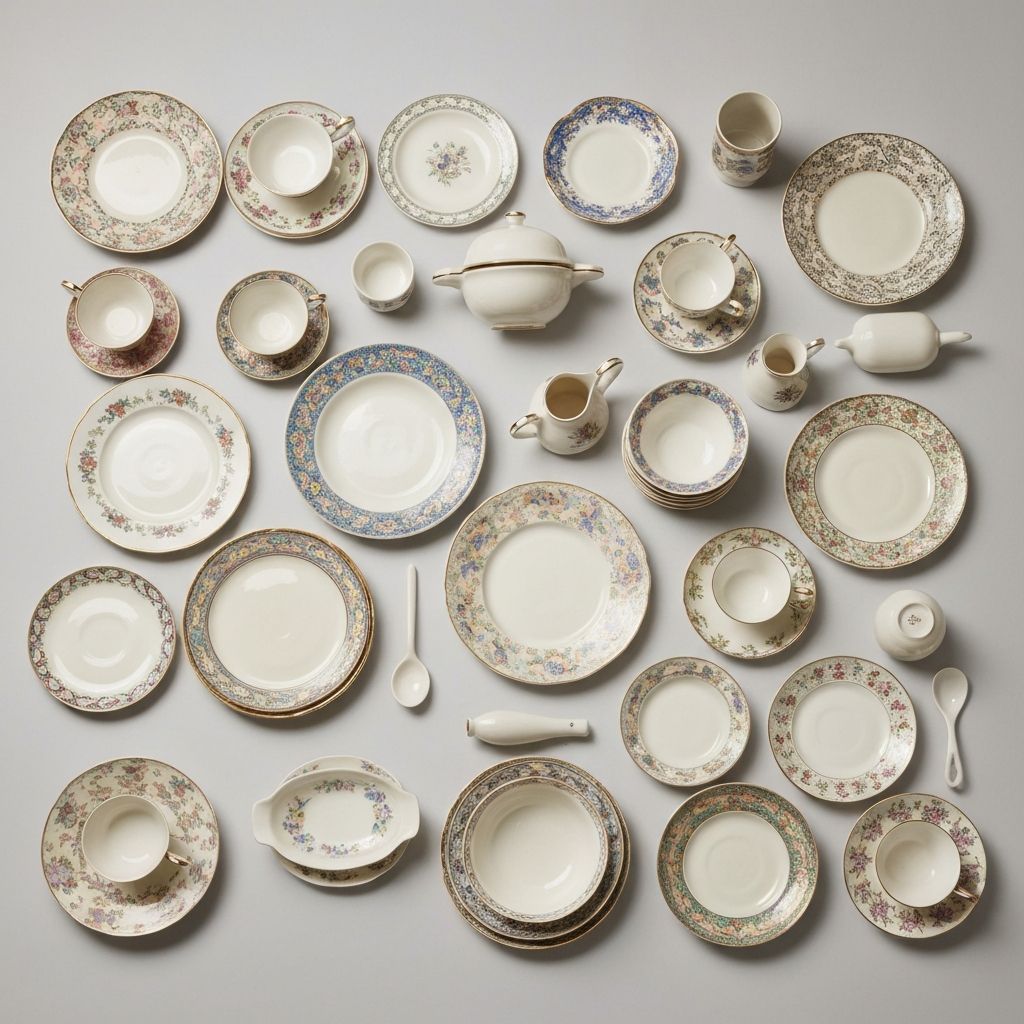
Vintage British dishware collection

During and immediately after World War II, food rationing dramatically reduced portion sizes across Britain. Meat was rationed to approximately 4 ounces per person per week, butter to 2 ounces. Sugar, eggs, and other staples were similarly controlled.

Meals were built around limited proteins and abundant vegetables, legumes, and grains—a pattern that influenced British cuisine for decades. Restaurant portions reflected these scarcities and the rationing mentality.

By 1954, rationing ended, but the culinary preferences and portion expectations formed during this period persisted, making UK portion sizes notably smaller than those in America, which had no wartime rationing.

The Post-War Expansion (1955–1980)

As prosperity returned, portion sizes gradually increased. The rise of supermarkets, frozen foods, and increased food availability changed shopping and cooking habits. Restaurant dining became more common for middle-class families.

However, UK portions remained considerably smaller than American standards. A typical restaurant steak in London in 1970 would have been 6-8 ounces; in New York, 12-16 ounces was standard. This difference persists today and reflects distinct culinary philosophies.

Tea culture and meal structure—breakfast, lunch, dinner, and supper—meant that portions at any single meal were often modest, with nutritional intake distributed across multiple eating occasions.

American Influence and Chain Restaurants (1980–2000)

The arrival of American fast-food and casual dining chains—McDonald's expansion, Pizza Hut, Applebee's, and similar establishments—began shifting portion expectations. Promotional offers emphasized "value" through increased quantity.

American portion sizes became aspirational in some contexts while remaining culturally distinct. Fish and chips shops, Indian restaurants, and Chinese takeaways adapted to local preferences but gradually incorporated larger servings as competitive markers.

Home cooking traditions remained strong, with most British meals still smaller than American equivalents, but dining-out portions began creeping upward.

Contemporary Dining (2000–Present)

Modern UK restaurant portions have increased, though they remain generally smaller than American standards. A typical restaurant pasta dish is 400-500g; in America, 600-700g is common.

Gastropub culture has emphasized quality and local sourcing rather than quantity, maintaining smaller, more refined portions. Contemporary Mediterranean and Nordic dining influences have reinforced this approach.

Food delivery services, meal kits, and packaged foods offer diverse portion options. However, portion labeling on packaged goods is inconsistent, making it difficult for consumers to understand serving sizes.

People eating together at a table

Key Findings

Portions are not static: UK portion sizes have varied significantly based on available resources, economic conditions, and cultural influences.

Context shapes norms: Wartime scarcity, postwar abundance, American cultural influence, and contemporary food movements have all shaped what British diners consider "normal."

Cultural differences persist: UK portions remain distinctly different from American, Australian, or other national standards, reflecting different values and traditions.

Individual variation is vast: Age, occupation, activity level, and personal preference mean that appropriate portions vary considerably between individuals.

The Broader Context

Understanding this historical evolution illustrates an important principle: portion norms are constructed through circumstance, not revealed as objective truths. What seems "normal" today would have been shocking 50 years ago—and will likely seem different again in decades to come.

This historical perspective can help us question our assumptions about portion "correctness" and recognize that multiple approaches may be reasonable depending on individual circumstances and preferences.

Educational Information: This article provides historical and cultural context. It is not personal dietary advice. For guidance on your individual eating patterns, please consult a healthcare professional.
Back to Blog